• Weight Loss With Christina Sullivan

    I believe everyone deserves to have happiness, health and harmony in their lives.

  • Free Ebooks Giveaway!

    Claim your 4 free ebooks today and start working towards a happier, healthier you.

  • Get Fit, Get Healthy

    Get the healthy, happy life you always wanted.

Wednesday, 30 July 2014

8 Most Effective Herbs for Heart Health


Those concerned with a healthy lifestyle naturally want to make sure that they are doing all they can to promote the strength and stamina of the heart. Balanced meals, regular exercise and stress management can go a long way to promoting cardiac health. Including the following herbs in the diet can help with this as well.

Oregano
This staple herb of the Mediterranean diet helps keep the heart healthy in a number of ways. Its antioxidant properties fight against free radicals and thus fend off heart disease, while at the same time reducing inflammation which can also have a negative impact on cardiac health. It has also been shown to help reduce high cholesterol levels, a major risk factor for heart attacks.

Green Tea
Long used for its ability to boost immunity and energy levels, green tea is becoming increasingly valued for its cardiotonic properties. It nourishes the delicate cells that line the vessels in and around the heart and improves the efficiency of their performance. It has been found that this can happen as soon as 30 minutes after consumption.

Garlic
Medicinal use of garlic dates back to the Egyptians and the Chinese, both of whom have cultivated this plant for its special properties. Like green tea, it is known to help strengthen immunity but also has a positive impact on the heart by reducing both cholesterol levels and blood pressure, two factors which greatly increase the chance of developing cardiac disease.

Hawthorn
Compounds extracted from the hawthorn tree act as natural vasodilators. This means that they increase the circumference of the blood vessels and thus cause increased blood flow and decreased blood pressure, both of which can promote heart health. It also helps the body to use Vitamin C effectively, which improves the function of capillaries and other small blood vessels.

Lavender
This fragrant herb has antiseptic and antibacterial properties which promote overall health and its balancing effects help to improve the strength and performance of cardiac muscles. Its sedative properties, meanwhile, can help calm palpitations and decrease the blood pressure.

Chokeberry
These little berries are rich in antioxidants as well as Vitamins A, C and K. They have been shown to help ameliorate metabolic syndrome, a collection of symptoms characterized by weight gain, increased abdominal fat and elevated blood pressure and blood sugar levels, all of which are risk factors for cardiac disease.

Ginseng
Used in China for thousands of years as an immune system booster, ginseng also has properties which make is desirable for heart health. Studies have shown that there is a definite correlation, for instance, between use of ginseng and a reduction in blood pressure.

Gingko biloba
Most people in the United States know about this herb because of its ability to improve forgetfulness and boost mental clarity. However, it can benefit the heart by, like hawthorn, acting as a vasodilator to increase blood flow. It also has anti-platelet properties which can prevent the formation of clots that cause heart attacks and strokes.

Heart health is important. And these herbs, in conjunction with a healthy lifestyle, can help keep the heart healthy and prevent serious health complications in the future.


Monday, 28 July 2014

Enjoy The Health Benefits Of The Delightful Avocado


The avocado is an unusual fruit. Not only is it high in calories, but it is rich in fat too. Instinct suggests that a high-calorie and high-fat food would be bad for health, yet the humble avocado actually provides a host of wonderful health benefits.

There are dozens of varieties of avocados, split into three main categories -- West Indian, Mexican and Guatemalan. Green and luscious, the flesh of the avocado is hard when it is harvested. As the fruit ripens, the flesh softens and its texture becomes butter-like. The Aztecs thought of avocados as an aphrodisiac, while Amazonian herbalists believe that they can treat gout.

Nutritional content

Avocados are a good source of:

  • protein -- highest among fruits; about 2 g per 100 g (3.5 oz)
  • fiber -- about 6.7 g per 100 g; highest soluble fiber content of any fruit
  • monounsaturated fatty acids -- about 14.7 g of fats per 100 g, with two-thirds being healthful monounsaturated fats; unsaturated fatty acid content ranks only behind olives among fruits
  • carbohydrates -- about 8.5 g per 100 g, or over 300 calories per avocado
  • B vitamins
  • vitamin C
  • vitamin E
  • phosphorus
  • potassium -- about 500 mg per 100 g; one avocado matches two to three bananas
  • zinc -- regulates immune function; contributes to wound healing, senses of smell and taste
  • folate -- important for pregnant women, preventing dangerous spinal and brain birth defects; helps maintain proper nerve function
  • lutein -- helps prevent prostate cancer; prevents cataracts and age-related macular degeneration
  • glutathione -- potent antioxidant with anticancer properties
  • oleic acid
  • linoleic acid

Lowers cholesterol

Avocados, in particular its oleic acid content, may help lower cholesterol levels. One particular study which looked at persons with moderately high levels of cholesterol who consumed many avocados in their diet revealed significant reductions in total cholesterol and "bad" LDL cholesterol levels as well as an 11% increase in the "good" HDL cholesterol. Other research also showed the slight lowering of triglyceride levels.

Another way in which avocados help lower cholesterol levels is through the fiber they contain, which removes excess cholesterol from the body.

Boosts cardiovascular health

The high-potassium content in avocados helps lower high blood pressure plus reduce one's risk of suffering from strokes and heart attacks.

Some research has also suggested that oleic acid could help reduce bodily inflammation, thus lowering the probability of atherosclerosis developing.

Further, folate could help lower heart disease risk by decreasing bodily levels of homocysteine, an amino acid which could damage blood vessels at elevated levels.

Vitamin E is also a heart-healthy vitamin, while lutein helps protect against hardening of the arteries.

Helps control diabetes

According to Abhimanyu Garg, MD, "monounsaturated fats improve fat levels in the body and help control diabetes." Researchers have found that diabetics who consumed a lot of carbohydrates tended to develop high levels of triglycerides, blood fats which could elevate heart disease risk. However, when some of these carbohydrates were replaced with fats, in particular the type found in avocados, triglyceride levels tended to go down.

Improves bone health

Avocado is a relatively good plant-based source of vitamin D, which helps the body turn calcium into bones.

Phosphorus in avocados is also an important part of the bones and teeth.

Relieves skin conditions

Avocado oil can be used topically to treat some types of dermatitis plus dry skin and wrinkles. Long-term use can help relieve eczema too. It can be applied directly to the affected areas.

Mashed avocados or its inner peel (retaining some green flesh) can also be rubbed on psoriasis patches to obtain relief.


http://www.naturalnews.com/046139_avocado_cardiovascular_health_cholesterol.html

Saturday, 26 July 2014

Five Health Benefits of Raw Honey


Most of us are familiar with the cute, squeezable “honey bears” that can be easily found on grocery store shelves. What you may not be familiar with are the amazing health benefits of consuming honey in it’s original, untreated, raw form.
 
The honey most often found in grocery stores has been pasteurized (heat treated) and filtered to the extent that it destroys most of the beneficial nutrients found in it’s raw form. It’s these nutrients; bits of pollen, royal jelly, propolis, enzymes, and beneficial bacteria (probiotics), that give raw honey it’s incredible health benefits.  The benefits of incorporating raw honey into your diet (and medicine cabinet) are many, but here are five that apply to almost all of us at some point in our lives:
  • Raw Honey Can Help Alleviate Allergies.
Due to the fact that raw honey contains very small amounts of pollen that are collected by the bees, the honey can act as a mild “allergy shot” of sorts to people who suffer from allergies.  Many people with season allergies are allergic to specific local pollens. These are pollens that end up in the honey of their local bees, so when people consume local raw honey, they receive a tiny exposure to the allergen, thus desensitizing their immune system over time. People with seasonal allergies have reported both a decrease in the severity of symptoms, as well as a decrease in the number of symptomatic days when utilizing local raw honey on a regular basis.
  • Raw Honey Has Antibacterial Properties.
Raw honey has been shown to have strong antibacterial properties, and can increase healing time and prevent infection in cuts and scrapes.  It has even been used in animals, especially in cases where wounds could not be closed or treated conventionally.  The Merck Veterinary Manual for Veterinary Professionals actually includes information on honey therapy for wound management.  Raw honey has also shown promise in treatment for burns, due to it’s protective, soothing, and antibacterial properties.
  • Raw Honey Acts As A Cough Suppressant.
In previous studies, raw honey was shown to improve cough symptoms in children. One heaping teaspoon 30 minutes prior to bed time was shown to reduce coughs in children significantly throughout the night.  Though this particular study focused on children, the same protocol would apply to all ages with the same benefit.  Many people also swear by raw honey (especially when mixed with a little apple cider vinegar and water) to soothe sore throats.
  • Raw Honey Can Soothe Gastro-Intestinal Upset.
In a published study, participants saw an increase in recovery speed and hydration, as well as a decrease in vomiting and diarrhea, after consuming a raw honey preparation. Acute G.I. upset is thought to be due in large part to an increase in “bad” bacteria, leading to inflammation, cramping, and evacuation.  Raw honey’s soothing and antibacterial properties are thought to be responsible for the aid in recovery.
  • Raw Honey Can Treat Acne.
Again, due to raw honey’s antibacterial properties, many have used it successfully in the treatment of acne.  From the occasional blemish, to more severe, cystic types, raw honey has shown improvement.  It has even shown promise in certain cases where other conventional treatments had failed.  Raw honey can be applied directly to problem areas as a treatment, or there are skin care products available from select companies that incorporate raw honey.
 
Regardless of how you choose to use raw honey, make sure that you are getting actual raw honey when looking for products.  True raw honey will be unpasteurized, somewhat cloudy or milky in appearance, and generally solid at room temperature.  If you are looking to use raw honey to treat allergies, obtaining it as locally as possible is recommended.  Your local farmers market or natural health food store is a good place to look for local products.
 

Monday, 21 July 2014

Health Benefits of Aloe Vera


Be Healthy With This Apple Cider Vinegar Remedy


Apple cider vinegar is a useful natural remedy for treating many common health conditions naturally. One of the most helpful ways to provide the body with a healthy dose of apple cider vinegar is by creating a nourishing syrup with it that can be taken daily to nourish and bring healing to the body.

Creating the Remedy    

To create the apple cider vinegar syrup remedy these ingredients are needed:

organic apple cider vinegar

farm fresh honey

cinnamon.

The natural ingredients can be found  at a whole food grocery store or herb shop. However, the ingredients should be organic and in the purest form because they are meant to nourish the body and not contaminate it with processed junk.

Once all the ingredients are gathered, measure out two cups of apple cider vinegar, two cups of honey and two teaspoons of cinnamon and pour them into a large wide mouth jar. Next, place the lid on the jar and give the ingredients a good shake together until they are well combined. After, store the syrup in a cool dry area until needed. The syrup can be stored in the refrigerator if preferred, but the honey might sink to the bottom, which is fine. If this happens, shake the jar to combine the ingredients together again.

Why are these ingredients useful for healing the body?    

Apple cider vinegar is healing to the body because it is high in acid and traces of other nutrients, which contain an abundance of medicinal properties. These medicinal properties can help reduce inflammation, kill harmful bacteria, treat viral infections, detoxify the body, purify the skin, strengthen the immune system, treat food poisoning and aid in weight loss.

Honey and cinnamon are useful in this remedy because they too have medicinal properties and antioxidants that can help treat common health conditions the body suffers from when health is poor.

What is the best way to take the remedy?   

The best way to take the syrup remedy is by taking two tablespoons in the morning and again in the evening. However, it is best to make sure a meal is had before using the remedy because the apple cider vinegar is pure acid and will cause discomfort to an empty stomach. If you are unsure if this remedy is safe, speak with a doctor first to make sure it is.

What are some of the health benefits of the apple cider vinegar remedy?   

Constipation Relief

Inflammation Relief

Freedom from Bad Breathe

Clearer Skin

Kidney Stone Prevention and Relief

Urinary Tract Infections Prevention and Relief

Fatigue Relief

Allergy and Sinus Relief

Improves Digestive Health

Strengthens the Immune System

Keeps the Heart Healthy

Treats Body Odor

Fades Age Spots

Treats Warts and Blemishes

Treats Cellulite

Cures Yeast Infections

Treats Viral and Bacterial Infections

Eases Coughing and Sore Throats

Eases the Symptoms of the Common Cold and Flu

Detoxifies the Body from Toxins and Waste

Treats Fungal Infections

End Notes   

With this apple cider vinegar remedy, health and energy levels can improve. However, this remedy should not be considered a cure. It is just a basic remedy for treating common health conditions naturally.


Saturday, 19 July 2014

Much Ado About Aldosterone: Electrolyte Imbalance and the Craving for Salt

Aldosterone is responsible for the maintenance of fluid (water) and the concentration of certain minerals (sodium, potassium, magnesium and chloride) in the blood, the interstitial fluid (area between the cells) and inside the cells. In the blood, sodium is the most dominant of the four minerals. Inside the cells, potassium has the highest concentration. These minerals are called electrolytes because they carry minute electrical charges. These electrolytes are very important for proper cell function and fluid properties and they must remain in a relatively constant ratio to each other. Small deviations in ratio  or to concentration means alterations in the properties of the fluid, the cell membrane and the biochemical reactions within the cell. In fact, most of the physiological reactions in the body depend in some way on the flow or concentration of electrolytes.


In times of stress, aldosterone is the major director of these relationships by its influence on sodium and water concentrations. As the concentration of aldosterone rises, the concentration of sodium rises in the blood and interstitial fluid. As mentioned above, aldosterone controls sodium, potassium and fluid volumes in your body. When aldosterone secretions are normal, potassium, sodium and fluid levels are also normal. When aldosterone is high, sodium is kept high in the fluids circulating in your body.

However, as circulating aldosterone levels fall, sodium is removed from your bloodstream as it passes through the kidneys and is excreted in the urine. When sodium is excreted it takes water along. Initially, there is some loss of volume of your body fluids but it does not become severe until your circulating sodium level drops to about 50% of its original concentration in body fluids. At this point, even a small loss of sodium begins to have severe consequences.

dry cracked dirt

When the blood’s sodium supply is not replenished by eating salt-containing foods or liquids, sodium and water is pulled from your interstitial fluids into the blood to keep levels from getting too low. If too much salt or fluid is pulled from the interstitial fluids, the small amount of sodium in the cells begins to migrate out of the cells into the interstitial fluid. The cell does not keep a great reserve of sodium in order to maintain its 15:1 ratio of potassium to sodium. As the sodium is pulled from the cell, water escapes as well. This leaves the cell dehydrated and sodium deficient. In order to keep the sodium/potassium ratio constant inside the cell, potassium begins to migrate out in small quantities. However, each cell has minimum requirements for the absolute amounts of sodium, potassium and water necessary for its proper function. Cell function suffers when these requirements are not met, even if the proper ratio is maintained.

If you have an electrolyte imbalance, you must be careful how you rehydrate yourself. Drinking lots of water or liquid without adequate sodium replacement can make you feel worse because it further dilutes the amount of sodium in your blood. Moreover, your cells need salt to absorb fluids. When you are already low on body fluids and electrolytes, try adding salt to your water (about 1/4 teaspoon). Sea salt is a better choice than regular table salt because it contains trace amounts of minerals in addition to the sodium.

rows of sports drinks by Flickr user pbemjestes

When your aldosterone levels are low and you are dehydrated and sodium deficient, you may also crave potassium because your body is sending you the message that your cells are low on potassium as well as sodium and water. However, after consuming only a small amount of potassium containing foods or beverages, you will probably feel worse because the potassium/sodium ratio will be further disrupted. Avoid soft drinks or electrolyte-rich sports drinks because they are high in potassium and low in sodium, which only add to the imbalance. Further, most ‘hydration’ drinks and sodas contain artificial colors, additives, and unhealthy sweeteners. You are much better off having a glass of water with salt in it, or eating something salty with water to help replenish both sodium and fluid volume.

http://blog.adrenalfatigue.org/effects-of-stress-2/much-ado-about-aldosterone-electrolyte-imbalance-and-the-craving-for-salt/

Friday, 18 July 2014

The role and benefits of friendly bacteria and how to use them effectively


Inside the body lives a vast number of bacteria without which we could not remain in good health. There are over 100 trillion in each person with over 400 different species, most of them living in the digestive tract. Certain types of these bacteria help to maintain good health and others have value in regaining it back once it is lost. Learn the role and benefits of each, and when to use them.

The role of different strains of friendly bacteria

Lactobacillus acidophilus is the predominant friendly bacteria in the upper intestinal tract. It helps reduce the levels of harmful bacteria and yeasts in the small intestine and also produces lactase, an enzyme important in the digestion of milk. Acidophilus is involved in the production of B vitamins during the digestive process.

Bifidobacterium bifidum and B. longum are the primary friendly bacteria in the large intestine. Bifidobacteria protect the large intestine from invading bacteria and yeasts, and also manufacture B vitamins and help the body detoxify bile. B. infantis is the prevalent friendly bacteria in the intestines of infants.

Streptococcus thermophiles and L. bulgaricus are most commonly found in yogurt and exist only transiently in the digestive tract. They produce lactic acid, which encourages the growth of other friendly bacteria, and they also synthesize bacteriocins (natural antibiotics like substances) that kill harmful bacteria.

Lactobacilli, Bifidobacteria, and Streptococci are the
bacteria mostly commonly found in probiotic supplements. Other beneficial species that may be included are L. casei, L. plantarum, L. sporegenes, L. brevis, and saccharomyces boulardii. Without bacteria like acidophilus, one would not be able to properly digest food and absorb vitamins and other nutrients.

The benefits of probiotics and illnesses they can help treat

Probiotics can benefit our health in a number of different ways, including:

• The manufacture of certain B vitamins, including niacin, pyridoxine, folic acid, and biotin.
• Enhanced immune system activity.
• Manufacture of milk-digesting enzyme lactase, which helps digest calcium rich dairy products.
• Production of antibacterial substances that kill or deactivate hostile disease causing bacteria. Friendly bacteria do this by changing the local levels of acidity, by depriving pathogenic bacteria of their nutrients, or by actually producing their own antibiotic substances.
• Anti-carcinogenic effect, since
probiotics are active against certain tumours.
• Improved efficiency of the digestive tract.
• Reduction of high cholesterol levels.
• Protection against radiation damage and deactivation of many toxic pollutants.
• Recycling of estrogen, which reduces the likelihood of menopausal symptoms and osteoporosis.
• Reduce anxiety and stress.

Friendly bacteria have also been shown to be useful in treatment of acne, psoriasis, eczema, migraines, gout, rheumatic and arthritic conditions, cystitis, candidiasis, colitis, irritable bowel syndrome, and some forms of cancer.

Using probiotics in specific situations

Probiotics should always be considered a part of a healthy lifestyle due to its disease preventative properties, but could also be used in more acute and specific health challenging situations, such as:

• Chronic bowel problems or infections
• Food poisoning (bifidobacteria and acidophilus kill most food poisoning bacteria)
• After antibiotics are taken
• Premenopausal and menopausal women to reduce chances of osteoporosis.
• High cholesterol problems
• Radiation treatments
• Vaginal or bladder infections (thrush or cystitis)

Quality sources of probiotics

Instead of immediately reaching for the probiotic capsules, also consider live food-based sources as the basis to a probiotic rich diet. Some of the most prolific sources include sauerkraut, kefir, kombucha, and apple cider vinegar.


http://www.naturalnews.com/045976_probiotics_gut_flora_disease_prevention.html?utm_content=buffer0ffe9&utm_medium=social&utm_source=facebook.com&utm_campaign=buffer#ixzz37NP97RbO

Tuesday, 15 July 2014

Boost Your Body and Mind With Magnesium

After oxygen, water, and basic food, magnesium may be the most important element needed by our bodies. It is vital for heart health, bone health, mental function and the overall body - yet 80% or more of us are deficient in this vital mineral.

Magnesium is more important than calcium, potassium or sodium and regulates all three of them. It also activates over 300 different biochemical reactions necessary for the body to function properly. Contrary to popular misconceptions, it is magnesium that is actually most important in building strong bones and preventing bone loss. Recent research has revealed that this lack of magnesium may put your heart and your overall health at significant risk and that magnesium deficiency may be linked to cognitive dysfunction and mental decline.

Called the "The Forgotten Mineral" and the "5-Cent Miracle Tablet" by medical researchers, magnesium is a muscle relaxant and low magnesium intake is associated with muscle spasm, tremors and convulsions. Magnesium protects against heart disease and heart attacks, high blood pressure and stroke, type II diabetes and much, much more.

Numerous researchers have reported that adequate amounts of this mineral in the population at large would greatly diminish the incidence of kidney stones (1 in 11 Americans), calcified mitral heart valve (1 in 12 Americans), premenstrual tension, constipation, miscarriages, stillbirths, strokes, diabetes, thyroid failure, asthma, chronic eyelid twitch (blepharospasm), brittle bones, chronic migraines, muscle spasms and anxiety reactions.

An increasing number of medical scientists also believe that additional magnesium and other minerals missing from today's diet might prevent cognitive disorders such as ADD, ADHD and bipolar and help prevent Alzheimer's and mental decline as we age. That's a lot of health benefits for a nickel. Sufficient magnesium intake by the American population would likely reduce health care costs by billions of dollars.

In addition to the problems listed above, magnesium deficiency has been associated with:
• Insomnia and other sleep-disorders
• Fatigue and low energy
• Body-tension
• Muscle tension, muscle cramps and spasms
• Headaches
• Irregular-heartbeat
• High blood Pressure
• Other heart-disorders
• PMS
• Backaches
• Constipation
• Kidney stones
• Osteoporosis
• Accelerated aging
• Depression
• Anxiety and irritability


Since the turn of last century, our depleted soils, processed foods and fast food diet lifestyles have led to a steady increase in mineral deficiencies. Nowhere is this more true than with magnesium. The U.S. minimum RDA for magnesium is about 320 mg per day for women and more than 400 mg per day for men, while optimum daily amounts are closer to 500 to 700 mg per day - yet studies show that after over a century of steadily decreasing magnesium intake, today over 8 out of 10 people do not take enough daily magnesium for even the minimum daily amounts recommended.

Progressive decline of dietary magnesium consumption since 1900:
Years Studied    Magnesium intake in mg/day


1900-08                      475-500

1909-13                      415-435

1925-29                      385-398

1935-39                      360-375

1947-49                      358-370

1957-59                      340-360

1965-76                      300-340

1978-85                      225-318

1990-2002                  175-225 

(Magnesium Trace Elements 10: 162-28)

Following is a list of some of the most magnesium rich dietary foods, including normal serving sizes and calories:
• Pumpkin and squash seed kernels, roasted - 1 oz contains 151 mg of magnesium and 148 calories
• Brazil nuts - 1 oz contains 107 mg of magnesium and 186 calories
• Bran ready-to-eat cereal (100%), - ~1 oz contains 103 mg of magnesium and 74 calories Halibut, cooked - 3 oz contains 151 mg of magnesium and 148 calories
• Quinoa, dry - 1/4 cup contains 89 mg of magnesium and 159 calories
• Spinach, canned - 1/2 cup contains 81 mg of magnesium and 25 calories
• Almonds - 1 oz contains 78 mg of magnesium and 164 calories
• Spinach, cooked from fresh - 1/2 cup contains 78 mg of magnesium and 20 calories
• Buckwheat flour - 1/4 cup contains 75 mg of magnesium and 101 calories
• Soybeans, mature, cooked - 1/2 cup contains 74 mg of magnesium and 149 calories
• Pine nuts, dried - 1 oz contains 71 mg of magnesium and 191 calories
• Mixed nuts, oil roasted, with peanuts - 1 oz contains 67 mg of magnesium and 175 calories
• White beans, canned - 1/2 cup contains 67 mg of magnesium and 154 calories
• Pollock, walleye, cooked - 3 oz contains 62 mg of magnesium and 96 calories Black beans, cooked - 1/2 cup contains 60 mg of magnesium and 114 calories
• Bulgur, dry - 1/4 cup contains 57 mg of magnesium and 120 calories
• Oat bran, raw - 1/4 cup contains 55 mg of magnesium and 58 calories


Source: hoptechno.com/bookfoodsourcemg.htm

Note: It is healthier to consume as many of the items on the list as possible in raw form. Soy products are not recommended due to the widespread use of GMO soy and other health concerns related to soy.

The list of dietary magnesium sources shows that it might be possible for a person to obtain optimum, or at least minimum, amounts of magnesium from the diet, doing so on a daily basis would take very careful planning. When processed food is part of the diet, it becomes even more unlikely for the general public to consume enough magnesium through dietary sources alone on a daily basis.

Only supplementation is likely to make up for such a widespread magnesium deficiency for most people. Since the same problems with soil depletion and diet causes deficiencies in many other vital minerals, it would be a good idea to supplement for magnesium and to also supplement with a wide range of other minerals. The very mineral supplements are those derived from whole food and plant sources because they are more readily absorbed than mined rock minerals.

Until recently, it was believed that the best forms of supplemental magnesium were the ones chelated to an amino acid (magnesium glycinate, magnesium taurate) or a krebs cycle intermediate (magnesium malate, magnesium citrate, magnesium fumarate). Now magnesium orotate is considered to be a superior form of oral magnesium and we also have magnesium oil. Magnesium oil contains magnesium chloride and is applied directly to the skin so dosage levels can be brought up safely to high levels without diarrhea and problems with absorption. The only side effect of too much magnesium is loose stool. Reducing the dosage or dividing daily doses into smaller amounts resolves the problem.

Blood tests for magnesium are notoriously inaccurate since only about 1 percent of the total body magnesium pool exists outside of living cells. Thus, blood serum levels are notoriously inaccurate and your doctor can`t easily tell you by a blood test if your magnesium levels are low.

For optimum health, magnesium and calcium intake needs to be at about a 1 to 2 ratio. So, if you supplement with 500 mg of magnesium, you should supplement with 1000 mg of calcium (or less if you get plenty of dietary calcium and little dietary magnesium).


http://ezinearticles.com/?Boost-Your-Body-and-Mind-With-Magnesium&id=5272779

Monday, 14 July 2014

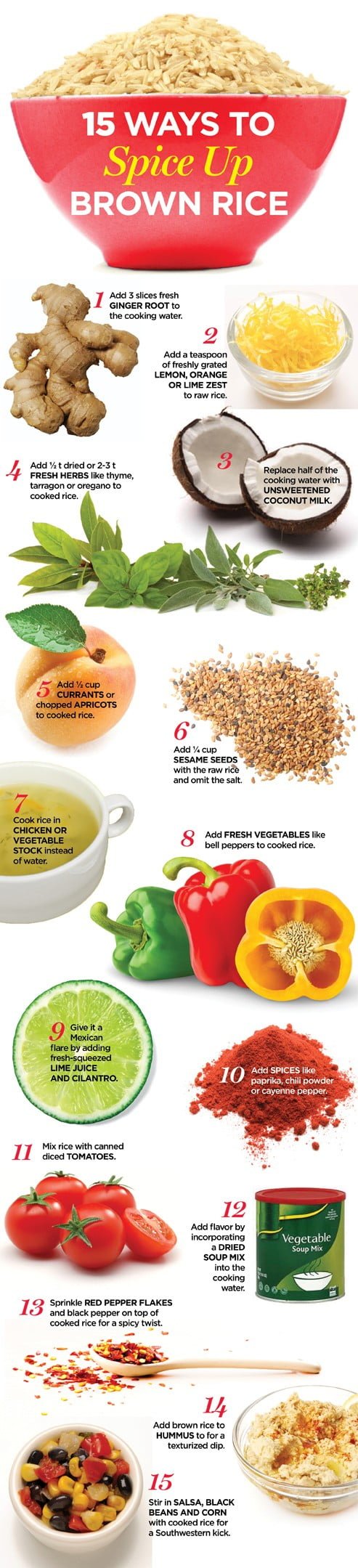
Brown Rice for Weight Loss


Brown Rice for Weight Loss Study 1

Replacing white rice with brown rice can have a significant impact on weight loss efforts. Whole-grain foods like brown rice have a low glycemic index, and according to a 2006 study, low glycemic index foods are most effective for weight loss. The study suggested that dietary glycemic load, and not only just overall calorie intake impacts weight loss and  blood glucose levels after eating. The researchers found that moderate reductions in glycemic load seem to boost the rate of body fat reduction.

Brown Rice for Weight Loss Study 2
In another study to determine the blood glucose response after eating a meal of ten healthy and nine type 2 diabetes participants  to brown rice in comparison to white rice, the total sugar released in vitro was 23.7 percent lesser in brown rice compared to white rice, thus decreasing the risk of weight gain. In healthy participants, the glycemic index and glycemic area were 12.1 percent and 19.8 percent  lesser in brown rice compared to white rice, whilst in diabetics, the values were 35.6 percent and 35.2 percent lesser.

Brown Rice for Weight Loss Study 3
In a study of forty overweight women between 20 and 35 years of age that were randomly divided into 2 groups who consumed meal replacements containing either white rice or mixture of brown rice and black rice, it was concluded that replacing meals with  mixed rice was superior to white rice for weight control, and improved antioxidant enzyme activity, and as such, should be recommended for diet therapy in obese women.

Brown rice is a fantastic source of magnesium, manganese, iron, selenium, as well as the vitamins B3, B6, B2 and B1. Brown rice is a great source of protein, dietary fiber, and also gamma-oryzanol.


Friday, 11 July 2014

Good news about chocolate

Dark chocolate found to enhance blood flow to legs

 
(In addition to its other proven health benefits, dark chocolate may also improve the health of peripheral arteries, enhance blood flow to the legs and improve walking ability, according to a study conducted by researchers from Sapienza University of Rome and published in the Journal of the American Heart Association.

"Polyphenol-rich nutrients could represent a new therapeutic strategy to counteract cardiovascular complications," senior author Francesco Violi, MD, said.


Dark chocolate improves walking endurance

Peripheral artery disease is characterized by obstructed or narrowed arteries decreasing the blood flow between the heart and the brain, stomach, legs and hands. Common symptoms include fatigue, cramping or pain in the hips and legs.

Dark chocolate is particularly high in plant compounds known as polyphenols, particularly flavanols. Polyphenols -- found to a certain degree in all plant foods -- act as antioxidants in the body, and evidence increasingly suggests that they may play a key role in promoting health and fighting disease. Evidence suggests that the high polyphenol content of chocolate may be behind many of its disease-fighting benefits.

"Nutrients are key components of health and disease," said study co-author Lorenzo Loffredo, MD.

Researchers assigned 20 peripheral artery disease patients between the ages of 60 and 78 to eat 40 grams of either dark chocolate or milk chocolate. The dark chocolate was made with at least 85 percent cocoa, to give it a high polyphenol content. The milk
chocolate had a cocoa content of just 30 percent.

Just before eating the chocolate and two hours after, participants walked on a treadmill and researchers measured their performance. Researchers found that people who had eaten the
dark chocolate walked 15 percent longer after eating the chocolate than they had before eating it. In addition, they walked 11 percent farther before tiring than people who had eaten the milk chocolate.

"Our body secretes chemicals that naturally dilate blood vessels in response to certain stimuli, improving the
blood flow
to certain areas," said Dr. Richard Chazal, vice president of the American College of Cardiology, who was not involved in the study. "Some of the chemicals inside dark chocolate could affect the way these enzymes are metabolized in the body."

More than just flavanols

Another recent study, conducted by researchers from Wageningen University in the Netherlands and published in the FASEB Journal in February 2014, suggests that it may be more than just flavanols behind chocolate's benefits for blood vessel health.

Researchers assigned 44 overweight men between the ages of 45 and 70 to eat 70 g per day of either normal dark chocolate or dark chocolate specially processed to have an especially high flavanol content. The cocoa content of the two chocolates was similar. The men were directed to maintain their weights by not eating other high-calorie foods during the study.

After two weeks, the researchers found that both groups showed equal increases in measures of blood vessel health, including flow-mediated dilation (FMD), augmentation index (AIX), reduced leukocyte (white blood cell) count, decreased plasma sICAM1 and sICAM3 and reduced expression leukocyte adhesion markers. These changes indicate that white blood cells were not sticking to blood vessel walls as much, and that the arteries were more flexible and less hardened.

Other studies have linked dark chocolate consumption to a lowered risk of stroke, and to less age-related memory loss.

People who choose to increase their chocolate consumption for health benefits should be sure to get chocolate with as high of a cocoa content as possible. In addition, look for brands that make it clear that they have not removed the bitter flavanols in a misguided attempt to improve flavor. Finally, remember that chocolate can be high in sugar and fat, so consume in moderation.


Tuesday, 8 July 2014


It is estimated that up to 40 percent of the United States population suffers from gluten intolerance, and that number doesn't appear to be shrinking. For this unfortunate minority, consuming foods that contain this notorious protein composite, such as wheat, rye and barley, can lead to countless health issues, ranging from bloating and fatigue to constipation and gastrointestinal distress. For the much smaller minority that suffer from the more serious autoimmune disorder, celiac disease, health issues can be much worse. (1)

However, evidence continues to suggest that gluten consumption is bad for everyone, including those of us that don't suffer from an overt sensitivity. This article contains a list of four ways in which gluten consumption negatively affects our health.

Gluten damages our intestine

According to Dr. Alessio Fasano, an expert on celiac disease and gluten intolerance, gluten contains a protein called zonulin that can diminish the seal between our intestinal cells. (2) This activity causes spaces to open between the cells, allowing bigger protein molecules to enter the bloodstream and trigger an immune response. It can also cause a leakage of intestinal contents, such as harmful bacteria, which can overwork the liver and lead to a toxicity crisis. (3) This condition, which is called leaky gut syndrome and accounts for an estimated 50 percent of all chronic complaints in the United States, has also been linked to chronic tissue inflammation, which can lead to digestive issues, fatigue, excess fluid retention and elevated cortisol levels. (4)

Prevents nutrient absorption

Gluten is rich in phytic acid, an indigestible compound that is often considered an "anti-nutrient" since it binds itself to essential minerals in our bodies, such as magnesium, iron, calcium and zinc, and renders them bio-unavailable. (5) This issue, coupled with the fact that most gluten-containing foods seldom contain that many nutrients in the first place, makes gluten one of the worst substances to consume for those suffering from existing nutrient deficiencies.

Triggers insulin resistance

Most, if not all, foods containing gluten contain high glycemic loads. In fact, the glycemic index shows that wheat bread contains a higher glycemic load than a Snickers bar! (6) Consequently, eating these foods can overload our cells with the peptide hormone insulin, which can eventually result in insulin resistance, a condition in which the body can no longer utilize the hormone effectively. Insulin resistance often precedes the development of type 2 diabetes and can make weight loss difficult, even among physically active people.

Triggers leptin resistance

A study published in BMC Endocrine Disorders in December 2005 found that cereal-based diets (which are high in gluten) can contribute towards a leptin resistance in pigs. (7) Leptin is a hormone that regulates hunger and feelings of satiety, and is directly tied to insulin levels. When our leptin levels are disrupted, our brain can become "deaf" to the hormone's signals to stop eating, and we gain weight from overeating.

Conclusion

Ultimately, there are no drawbacks to embracing a gluten-free diet. Gluten-containing foods are almost always poor sources of nutrition, and their negative affects on our blood sugar levels are undeniable. Unlike far healthier foods such as fruits, vegetables, nuts, seeds, eggs and meat, grains aren't even a food that most of us evolved to consume. So, what do we have to lose?

http://www.naturalnews.com/045878_gluten_food_allergy_gluten-free.html

Monday, 7 July 2014

Sleep, Melatonin, and Athletic Performance

All mammals, including us, run on an internal circadian clock. It developed in early forms of life, and has been conserved across the millennia to reside in us today. The clock times our physiology in precise rhythm with the most ancient environmental signal–light. Changes in the light created by the 24-hour revolution of the Earth on its axis provide the controls (1-4).
The retinas of your eyes transmit light to the clock in the suprachiasmatic nucleus (SCN) in the middle of your brain. The SCN then triggers thousands of physiological functions of the brain, hormones, muscles, and organs by the rhythmic night-time release of the hormone melatonin from the pineal gland (1-6).


Melatonin regulates all aspects of human physiology, especially sleep/wake cycles, energy, hormone release, brain growth, muscle growth, and body fat. This activity uses daily expression of over 20 percent of your total genome, making melatonin the largest control system in human physiology (1-8).
Until recently, however, effects of melatonin could not be properly studied. Decoding of the human genome in 2003 first allowed researchers to examine the genes involved. Before then, the power of melatonin to control the whole daily cycle of human behavior was just not understood.
Recent research shows that disrupting the melatonin rhythm simply by restricting sleep to 6 hours a night, impairs learning, memory, glucose metabolism, immune function, appetite regulation, and athletic training (1-8). Not surprising that sports scientists are now doing intensive research on sleep, melatonin, and sports.
Performance is devastated by sleep deprivation, including:
  • Peak power in cycling is significantly reduced (9).
  • Knee extension strength declines in trained athletes (10).
  • Strength in leg press, bench press, and dead lift is much reduced (11).
  • Endurance performance also goes downhill, as does sprinting speed (12,13).
On top of worsened performance caused by inadequate sleep, inflammation and risk of illness go through the roof. With low melatonin levels and poor sleep, measures of inflammation, interleukins-1 and -6, and C-reactive protein all rise.  Hormonal rhythms also decline causing impaired immune responses (14,15).
Athletes are always balancing muscle and body fat. Gain fat, and the extra dead weight reduces performance. Strip off too much fat and you also strip off muscle, which reduces performance. They have to keep body fat low while re-building muscle mass every day. This is a difficult task without an optimum melatonin rhythm, and the sound sleep it brings. Almost all muscle recovery and growth occurs during the melatonin phase of the cycle (1-6). And research shows clearly that partial sleep loss fattens you up like a goose (16).
Even minor disturbance of the melatonin rhythm also increases insulin resistance, and disrupts both glucose regulation and hormonal controls of appetite (16,17). The main appetite-inhibiting hormone is leptin. With normal melatonin, leptin rises during sleep and controls appetite, not only that night but also next day. The main appetite-stimulating hormone is ghrelin. With normal melatonin, ghrelin falls during sleep and rises to stimulate appetite the next day. Poor sleep and low melatonin tip the balance in favor of ghrelin, leading to increased appetite and food intake (18).
Levels of the catabolic hormone cortisol, also rise, and anabolic hormones decline, especially growth hormone and testosterone (19). These imbalances set up the low-melatonin athlete for muscle loss and fat gain that cannot be corrected by diet or training.
For the last 30 years we have used specific nutrition for athletes to maintain normal melatonin, and have been very successful with numerous elite athletes including World and Olympic Champions (20). The precursor of melatonin is the amino acid tryptophan, abundant in pumpkin seeds, free-range turkey, and IsaLean Shakes. Diets high in tryptophan increase tryptophan levels in the blood. It is converted in the brain to 5-hydroxytryptophan (5-HTP), then to melatonin (1-6).
We also use melatonin supplements. Most melatonin pills, however, are ineffective because up to 90 percent of the melatonin is destroyed by digestion and the first pass through the liver. That is why we designed the Isagenix Sleep Support & Renewal to effectively deliver the right forms of melatonin directly into the mouth. For the average athlete, 3 mg, or three sprays, at bedtime, reliably raises melatonin levels, which benefits the whole 24-hour circadian rhythm, yields better sleep, and improves athletic performance.
References
  1. Reiter RJ.  Melatonin.  New York: Bantam Books, 1995.
  2. Rojansky N, et al.  Seasonality in Human Reproduction: An Update.  Human Reproduction, 1992;7:735-745.
  3. Pierpaoli W, et al, (eds).  The Aging Clock.  New York: New York Academy of Sciences, 1994.
  4. Colgan M. Colgan LA. The Perimenopause Solution  Vancouver: Science Books, 2010.
  5. Cutolo M, Maestroni G. The melatonin-cytokine connection in rheumatoid arthritis. Ann Rheum Dis. 2005; 64(8): 1109–1111.
  6. Cardinali DP, Esquifino AL.  Circadian disorganization in experimental arthritis.  Neurosignals, 2003;12:267-282.
  7. Erren TC, et al.  Light, timing of biological rhythms and chronodisruption in man.  Naturwissenschaften, 2003;90:485-494.
  8. Dawson KA.  Temporal organization of the brain:  Neurocognitive mechanisms and clinical applications.  Brain Cogn, 2004;54:75-94.
  9. Souissi N, Sesboue B, Gauthier A, et al. Effects of one night’s sleep deprivation on anaerobic performance the following day. Eur J Appl Physiol. 2003;89(3–4):359–66.
  10. 20. Bulbulian R, Heaney JH, Leake CN, et al. The effect of sleep deprivation and exercise load on isokinetic leg strength and endurance. Eur J Appl Physiol. 1996;73:273–7.
  11. Blumert PA, et al. The acute effects of twenty-four hours of sleep loss on the performance of nationalcaliber male collegiate weightlifters. J Strength Cond Res. 2007;21(4):1146–54.
  12. Oliver SJ, Costa RJ, Laing SJ, et al. One night of sleep deprivation decreases treadmill endurance performance. Eur J Appl Physiol. 2009;107(2):155–61.
  13. Skein M, Duffield R, Edge J, et al. Intermittent-sprint performance and muscle glycogen after 30 h of sleep deprivation. Med Sci Sports Exerc. 2011;43(7):1301–11.
  14. Bollinger T, Bollinger A, Oster H, et al. Sleep, immunity, and circadian clocks: a mechanistic model. Gerontology. 2010;56(6): 574–80.
  15. Mullington JM, et al. Sleep loss and inflammation. Best Pract Res Clin Endocrinol Metab. 2010;24(5):775–84.
  16. Knutson KL, Spiegel K, Penev P, et al. The metabolic consequences of sleep deprivation. Sleep Med Rev. 2007;11(3):163–78.
  17. Spiegel K, Knutson K, Leproult R, et al. Sleep loss: a novel risk factor for insulin resistance and type 2 diabetes. J Appl Physiol. 2005;99(5):2008–19.
  18. Van Cauter E, Spiegel K, Tasali E, et al. Metabolic consequences of sleep and sleep loss. Sleep Med. 2008;9(Suppl. 1):S23–8.
  19. Dattilo M, et al. Sleep and muscle recovery: endocrinological and molecular basis for a new and promising hypothesis. Med Hypotheses. 2011;77(2):220–2.
  20. Colgan M. The anti-inflammatory Athlete. Vancouver: Science Books 2012.
http://www.isagenixhealth.net/sleep-melatonin-and-athletic-performance/

For more information go to: http://healthnharmony1.isagenix.com

Sunday, 6 July 2014

Skinny health

Feeling good and being slim have no relation whatsoever. So good health is more than fat loss


Fat loss is a buzz phrase today. No matter how overweight or in-shape someone is, when the phrase fat loss is uttered, everyone wants to know more. That’s awesome, actually. Because today we are constantly eating or think about eating or controlling ourselves from eating. As a result, we, as a population, have become fat and diseased over the last few decades. But is fat loss all we need?
Before we get into specifics, let’s clarify some basics. Most of you are probably used to the term “weight loss” and are ready to do whatever it takes to see that numbers on the scale drop. Your body is composed of fat, muscle, water, bones, connective tissue and other organs. You are overweight because you have more fat stored than is optimal. So when you say you want to lose weight or look better, what you really want is to lose the excess fat. Not the water or muscle or bones or organs but the fat. So weight loss is not what you should be looking for. “Fat loss” is. But let me ask you this - why do you want to lose fat in the first place?
For some of you it is probably what the doctor recommended, for some others it’s about becoming healthy as a preventive mechanism and for the rest it’s about look good for someone or something. In essence, the point of fat loss is health. Even if looking good is your goal, why do you think you want to look good? Because, as nature intended, looking good is an indicator of feeling good. If you look good, it is assumed that you are healthy and hence are preferred over someone who doesn’t look good. Be it to find a mate or scare a predator, looking good is about health.
But is fat loss all there is to health? Absolutely not. If becoming healthy was as simple as losing a few kilos then you wouldn’t fall sick every few months or find 40-year-old diabetics commonly. Health is much more than fat loss. Health is about look, feel and function. Let me explain.
Health is about feeling awesome all day every day. This means that everyday you wake up refreshed, don’t have any aches or pains, don’t have pills to pop, are able to digest and excrete easily, are full of energy throughout your day, are able to focus and stay productive and don’t need to struggle or pop pills to fall asleep.
Health is about functioning at your optimal best all day everyday. This means that you are able to carry out activities of your daily life without whining, don’t find the need to sit every few minutes, have no problem walking for a couple of hours, don’t strain or hurt yourself carrying objects or doing chores, possess enough strength and energy to last through the work and domestic day and are, in general, happy to live through a typical day.
And finally, health is about looking like someone who feels awesome and functions at his/her optimal best.
So next time you fearfully look at your weighing scale, next time you whine about not losing enough weight, tell yourself that that number is too insignificant to stress you out. Instead, ask yourself how good you feel and how well you’re able to function. If you feel and function great, it’s only a matter of time before you look great.
http://www.thehindu.com/sci-tech/health/skinny-health/article6136745.ece